What Is NFT Art? A Beginner’s Guide
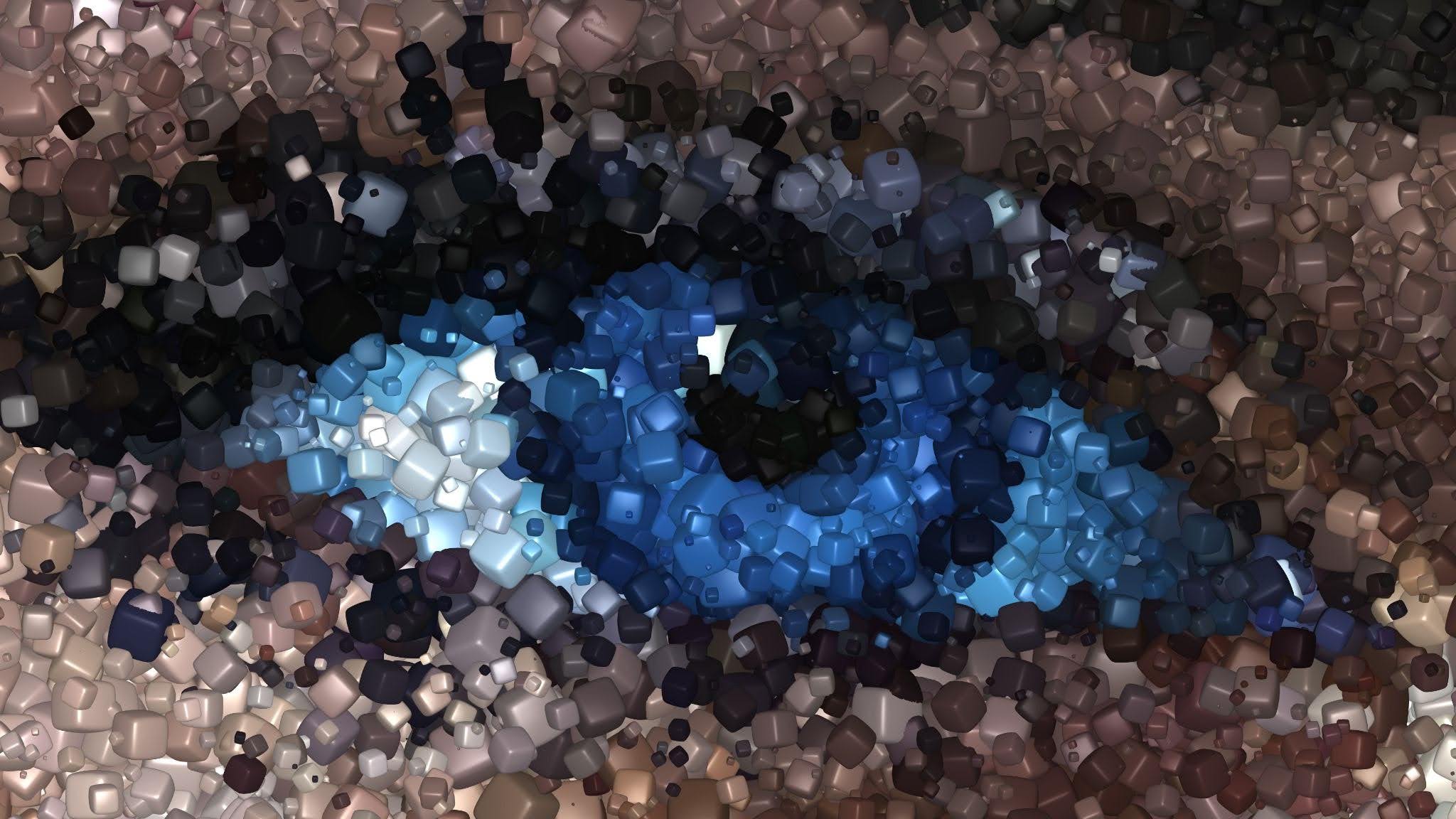
NFT art is artwork that is tied to a non-fungible token, or NFT, which lives on a blockchain. This kind of art can include illustrations, paintings, photos, animations, 3D models, character designs, and other types of creative digital work.
Unlike a digital image, an NFT provides a special record on the blockchain. This record shows the token. Tracks its full history of transactions. It helps prove who owns the token and where it came from.
For example, an artist might create a character illustration. Connect it to an NFT. The image can still be. Shared online.. The NFT is a unique token on the blockchain that belongs to that specific artwork.
This beginner’s guide explains everything you need to know about NFT art. It covers how NFT art works, what makes it special, and how NFT collections are made.
What Is NFT Art Design?
The word “fungible” means something that can be exchanged for something of the same kind. A dollar is fungible because one dollar can be swapped for another dollar.
The word “non-fungible” means something that’s unique and cannot be replaced by another item.
A “token” is a symbol or representation of something.
NFT art design is artwork that is linked to a non-fungible token on a blockchain.
The artwork can come in many forms. It can be illustrations, 3D models, animations, photography, videos, generative art, or any other kind of digital creative work.
For example, one dollar can be exchanged for another dollar because both have value. An NFT has a unique token identifier, a history of transactions, metadata, and other traits.
NFT art brings these blockchain features into the world of creativity.
How Does NFT Art Work?
To understand NFT art, it’s helpful to think about three parts:
- The digital artwork
- The NFT or the blockchain token
- The blockchain record
First, an artist creates the artwork. They use tools like drawing software, 3D modeling programs, animation tools, photography, or other creative methods.
Then the artwork is linked to an NFT through a process called minting.
Depending on the platform and technology used, the blockchain records details like the token’s ID, its transaction history, ownership changes, and metadata.
This means the NFT isn’t the image. It’s a token on the blockchain that holds information about the asset.
What Makes NFT Art Unique?
The main thing that makes NFT art special is its link to a blockchain-based record. This record keeps track of the artwork in a way that’s secure and verifiable. Regular digital images can be copied, shared, or downloaded over and over again. An NFT does not stop someone from copying the image itself. It does give a clear, unchangeable record of who owns a specific token and how it has moved over time.
For example, an artist might share an illustration online. Many people can see it. Only a few can own a special version of it through an NFT. That NFT has an ID and a full history of all transactions. This creates a difference between simply having a copy of an image and owning a particular NFT token.
1. Blockchain-Based Ownership Records
NFTs store ownership information on a blockchain. This means anyone can check which digital wallet currently owns a token and how it has been transferred in the past. This is important for collectors who want to confirm the authenticity and history of an NFT. It’s key to remember that owning an NFT is not the same as owning the copyright to the artwork. Buying an NFT does not automatically give the buyer the right to reproduce, change, or sell the artwork commercially. These rights depend on what the original creator allows through a license.
2. Digital Provenance
Provenance means the history of an artwork. Where it came from, who made it, and who owned it over time. Art provenance helps build trust and value. With NFTs, this history is recorded on the blockchain. Each transaction leaves a footprint. Collectors can look up past owners, sale prices, and wallet addresses depending on the blockchain and the marketplace. This gives transparency and trust in the ownership chain.
3. Digital Scarcity
NFTs allow artists to create editions or even one-of-a-kind digital items. For example, an artist might make:
– One unique NFT
– A limited run of 10
– A collection of 100
– A set of generative NFTs
The number and type of tokens are set by the creator. This creates scarcity. It’s not about stopping copies of the art. It’s about how rare the token itself’s. The artwork can still be copied. The original token with ownership and history remains limited.
4. Global Accessibility
NFT marketplaces let artists share their work with people around the world. An artist in one country can sell an NFT to someone in another country without borders or middlemen. This has opened up opportunities for artists, designers, brands, game developers, and collectors. The reach is huge.. It’s not without challenges. Different platforms have rules, fees, and technical needs. Some countries also have rules about assets. These factors can affect who can buy or sell NFTs.
5. New Creative Possibilities
NFT art is not about static pictures. Artists can make kinds of digital work:
– Digital drawings
– Character designs
– 3D art
– Animated pieces
– Motion graphics
– Digital paintings
– Photos
– Videos
– Generative art
– Interactive experiences
– Game items
– Art for virtual worlds
This flexibility gives creators room to try new things. They can experiment with form, function, and audience interaction. NFTs open up ways to make, share, and own digital art.
Popular Types of NFT Art
NFT art has many forms, depending on the creator’s skills, concept, and intended audience.
Digital Illustrations
Digital illustrations are among the easiest‑to‑make forms of NFT artwork.
Artists can make portraits, fantasy scenes, futuristic environments, abstract art, animals, characters, and conceptual illustrations.
Professional illustration techniques can help build a visual identity for an NFT collection.
3D NFT Design
I find that 3D NFT design uses modeling and rendering techniques to create detailed objects, characters, environments, and scenes.
3D assets can also be designed for games, virtual environments, animations, and other digital experiences.
Animated NFT Art
I see that animation adds movement to artwork.
Creators can use motion graphics, visual effects, looping sequences, and other techniques to create engaging animated NFT artwork.
Generative NFT Art
I find that Generative NFT Art uses algorithms, code, or predefined traits to produce artwork.
For example, a collection may contain combinations of:
- Backgrounds
- Characters
- Clothing
- Accessories
- Facial expressions
- Colors
- Patterns
Generative NFT Art can allow creators to produce large collections with variations while maintaining a consistent artistic style.
NFT Character Design
I notice that NFT character design is another area where digital artists can develop collections.
A character-based NFT project may include characters with different outfits, accessories, expressions, personalities, and visual traits.
I think that professional character design can help establish an identity across an NFT collection.
Why Is NFT Design Important?
The quality of NFT design can influence how an NFT collection is perceived.
A project may have a concept, but inconsistent artwork or weak visual presentation can make it difficult to communicate that concept effectively.
Professional NFT design can include:
- Original artwork
- Character design
- Digital illustrations
- 3D artwork
- Collection branding
- Background design
- Trait development
- Animated artwork
- Visual storytelling
For businesses and creators developing a collection, working with an experienced NFT design company can help establish a consistent visual direction.
NFT Art versus Traditional Digital Art
NFT Art and Traditional Digital Art can appear the same at first glance.
The main difference is how each piece is linked to ownership records and blockchain technology.
Traditional Digital Art can exist simply as a file saved on a computer, a website, a cloud service, or any other storage system.
NFT Art, on the other hand, is tied to a blockchain token that supplies details about the token’s identity and its transaction history.
Using blockchain technology does not automatically make a piece more valuable.
The artistic quality, concept, creator, audience interest, community, utility, licensing terms, and overall market conditions can all shape how a project is perceived.
What Are the Benefits of NFT Art?
NFT art can offer creators several potential opportunities.
- NFTs provide a way for collectors to acquire blockchain-based digital assets.
- Digital marketplaces can allow artists to present their work to audiences around the world.
- NFT collections can help artists and businesses build distinctive digital identities.
- Some NFT projects create communities around shared interests, artwork, digital experiences, or project goals.
- NFTs can sometimes be connected with memberships, gaming assets, virtual environments, interactive experiences, or other utilities.
- The actual benefits depend on how an individual project is designed and used.
Final Thoughts
NFT art brings together digital creativity and blockchain technology, creating new possibilities for digital ownership, collecting, provenance, and creative experiences.
For beginners, it is important to understand that an NFT is more than a digital image. The artwork, blockchain token, ownership record, metadata, and copyright or licensing rights are separate concepts that should be understood individually.
For artists and businesses planning an NFT collection, professional design can also play an important role. A strong concept combined with high-quality NFT artwork, consistent branding, and professional presentation can create a clearer and more memorable digital identity.
Whether you are exploring NFT art for the first time or planning a complete NFT collection, understanding the fundamentals can help you approach the digital art space more effectively.
To create professional NFT artwork or develop a unique NFT collection? Explore IT Pyramid’s NFT design service to turn your digital ideas into visually engaging artwork.






 I’ve gotten a number of works do e by Sandra Smith of IT Pyramid, from pictures, character designs and animations to vtuber models. The quality has always been top notch and i can’t recommend them highly enough.